Bringing Nature to Your Designs with Hello Camellia
More Than Just a Font: A Botanical Illustration Set
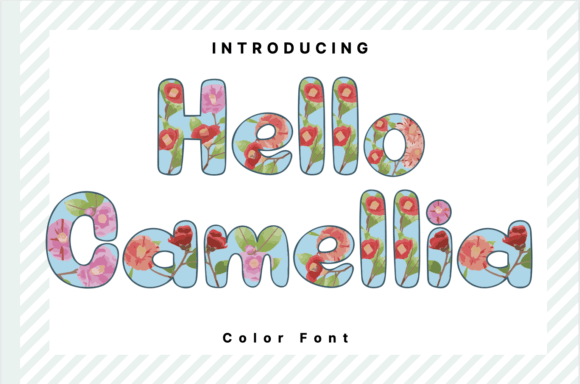
When you first encounter Hello Camellia, it’s easy to mistake it for a simple decorative typeface. But look closer, and you’ll see it’s something more specific and, in many ways, more useful. This isn't just a script font with swirly ends. It's a floral color font, meaning the letters themselves are composed of detailed, hand-drawn botanical illustrations—specifically, camellia flowers and their leaves. Each character is a small piece of art, rendered with a soft, watercolor-like quality and built-in color.
The personality of Hello Camellia is inherently whimsical, organic, and inviting. It carries a sense of gentle craft, as if each letter was carefully painted by hand. This makes it a standout premium font for projects that need to feel personal, approachable, and connected to nature. It’s not trying to be a workhorse sans serif font or a classic serif font. Its strength lies in its specific visual character, making it a powerful creative font for the right context.
Where This Floral Display Font Truly Blooms
Understanding the ideal applications for a specialized typeface like Hello Camellia is key to using it effectively. Its decorative nature means it shines as a display font, perfect for headlines, logos, and accents where you want to make an immediate visual impact. Think of it as a design asset that adds a concentrated dose of personality.
Perfect for Print and Personal Projects
In the world of print, Hello Camellia is a natural fit. It elevates greeting cards and invitations for weddings, baby showers, or garden parties, instantly setting a romantic or cheerful tone. For packaging design, especially for artisanal goods, florists, or beauty products, it can convey an organic, handmade quality. Crafters and hobbyists will find it invaluable for creating custom stickers, scrapbook elements, and unique wall art that feels both professional and personal.
Digital and Branding Applications
Digitally, its impact is just as strong. Social media graphics are a prime use case. A single word or short phrase set in Hello Camellia can stop the scroll, making it ideal for quote graphics, promotional announcements, or branded Instagram Stories. For small business owners, it can inform a piece of a brand identity, perhaps used sparingly in a logo submark or on a website's hero section to establish a specific aesthetic. It pairs well with clean web design layouts, where its intricate detail provides a beautiful contrast to minimalist UI elements.
Using Hello Camellia with Intention: A Practical Guide
Adopting any display font requires a strategic approach to ensure it enhances rather than hinders your design. Here’s how to evaluate and implement Hello Camellia for professional results.
Evaluating Fit and Maintaining Readability
First, assess the project's voice. Is it formal and corporate, or casual and creative? Hello Camellia leans decisively toward the latter. It's perfect for a boutique bakery's menu but might feel out of place on a financial report. Because of its intricate, illustrative nature, readability is a primary consideration. It is not designed for body copy. Use it for short, impactful headlines, single words, or monograms. For any longer text, you'll need a complementary, highly legible sans serif font or serif font to maintain a clear visual hierarchy.
Font Pairing and Exploring Styles
A successful font pairing creates contrast and harmony. Try pairing Hello Camellia with a simple, geometric sans serif like Montserrat or a classic, readable serif like Lora. The key is to let the floral font be the star while its partner handles the supporting role with clarity. Before purchasing, review the full character set. A quality commercial font like this will often include alternates, ligatures, and perhaps even bonus floral illustrations or seamless patterns. These extras are invaluable for creating unique compositions and ensuring your designs don't look repetitive.
Licensing and Final Considerations
Always check the commercial font license. If you're using it for client work, merchandise, or any project that generates revenue, you need to ensure the license covers that use. Reputable foundries are clear about this. Finally, test it in context. Mock up your design—whether it's a business card, a website header, or a social media post—to see how the colors of the flowers interact with your background and other design elements. This practical test is the final step in determining if Hello Camellia is the right design asset for your specific goal.