Kinderland: The Playful Font That Brings Joy to Every Project
If you've ever searched for a typeface that feels friendly, approachable, and full of personality without crossing into cartoonish territory, Kinderland deserves a spot on your radar. This soft font strikes a balance between playful charm and practical usability that few typefaces manage to achieve. Whether you're designing a logo for a children's brand, crafting social media graphics, or putting together packaging for artisan goods, Kinderland brings a warmth that draws people in.
What Makes Kinderland Visually Distinct
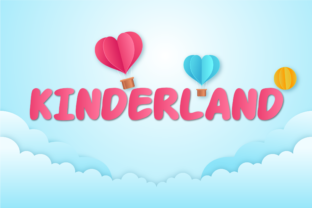
Kinderland belongs to the family of handwritten fonts, but it leans into a rounded, soft aesthetic that sets it apart from rougher script options. The letterforms carry gentle curves and slightly irregular edges that mimic natural handwriting without sacrificing legibility. Each character has a consistent weight and rhythm, which means extended passages of text remain readable even at smaller sizes.
The overall personality of Kinderland is approachable and cheerful. It doesn't demand attention the way a bold display font might. Instead, it invites the reader closer. The lowercase letters especially carry a casual, friendly tone—think of the handwriting you'd see on a well-loved recipe card or a thoughtful greeting note. Uppercase letters maintain that softness while adding just enough structure for headings and titles.
What really sets Kinderland apart from other creative fonts in its category is versatility. Many handwritten typefaces look beautiful in logos but fall apart in longer text. Kinderland holds up across a range of sizes and contexts, making it a genuinely useful addition to any designer's toolkit.
Where Kinderland Works Best
One of the strengths of Kinderland is how naturally it fits into diverse projects. Here's where I've seen it shine:
- Logo design and brand identity: For brands targeting families, children, wellness, food, or lifestyle audiences, Kinderland delivers instant warmth. A bakery, a kids' clothing line, a yoga studio, or a handmade soap company could all build a recognizable brand identity around this typeface.
- Packaging design: Physical products benefit enormously from typography that feels tactile and personal. Kinderland works beautifully on labels, boxes, and bags—especially for artisan, organic, or small-batch products where authenticity matters.
- Editorial design: Magazines, blog headers, and book covers that need a human touch can use Kinderland for titles and pull quotes. Paired with a clean sans serif font or a classic serif font for body text, it creates an engaging visual hierarchy.
- Web design: Used strategically for headings, buttons, or accent text, Kinderland adds personality to websites without compromising the user experience. It works particularly well for lifestyle blogs, e-commerce shops, and portfolio sites.
- Social media graphics: Instagram posts, Pinterest pins, and Facebook covers all benefit from typefaces that feel personal and scroll-stopping. Kinderland delivers that effect consistently.
- Invitations and stationery: Wedding invitations, party invites, greeting cards, and thank-you notes are natural territory for a soft font like this one.
How Kinderland Influences Brand Perception
Typography shapes how people feel about a brand before they read a single word. Kinderland communicates friendliness, creativity, and approachability. When someone encounters this typeface on a product or website, they're likely to perceive the brand as welcoming and genuine rather than corporate or distant.
This makes Kinderland a strong choice for small business owners and entrepreneurs who want to build trust quickly. A premium font with this kind of personality can elevate a brand from looking homemade to looking thoughtfully crafted—without losing the personal touch that makes independent brands appealing in the first place.
Visual hierarchy also benefits from Kinderland's design. Because it has a distinct personality, it naturally creates contrast when paired with more neutral typefaces. A heading in Kinderland followed by body text in a sans serif font like Montserrat or Open Sans creates an immediate focal point. This kind of font pairing guides the reader's eye and makes layouts feel organized without being rigid.
Practical Tips for Using Kinderland Effectively
Before committing Kinderland to a project, take a few practical steps to make sure it's the right fit:
- Evaluate your audience: Kinderland appeals to audiences that respond to warmth and personality. If your brand targets a young professional demographic seeking sleek minimalism, a different typeface might serve you better. But if your audience values authenticity and friendliness, this font hits the mark.
- Test it at multiple sizes: Set Kinderland at the sizes you'll actually use—headline, subhead, caption, body—and see how it performs. While it holds up better than many script fonts at smaller sizes, readability still varies by context.
- Explore font pairings: Kinderland pairs well with clean, geometric sans serifs and traditional serifs alike. Try it alongside typefaces like Lato, Raleway, Georgia, or Playfair Display. The contrast between Kinderland's organic shapes and a structured companion creates visual interest.
- Review the included styles: Check what weights, alternates, and character sets come with the font. Many premium fonts include multiple styles that expand your design options significantly.
- Understand the licensing: If you're using Kinderland for commercial work—client projects, products for sale, or business marketing—make sure you have the appropriate commercial font license. Most foundries offer clear licensing tiers for personal and professional use.
- Don't overuse it: A typeface with this much personality works best in measured doses. Use it for headlines, logos, and accent elements rather than setting entire paragraphs in it. Balance it with a more neutral font for extended reading.
Adding Color and Character to Your Design Assets
Every designer accumulates a library of design assets over time—fonts, icons, templates, textures. The ones that earn their place are the ones you reach for again and again because they solve real problems. Kinderland earns that spot by filling a specific need: a creative font that feels genuinely warm without sacrificing function.
In a landscape dominated by minimalism and geometric precision, having a typeface that brings softness and humanity to your work is a real advantage. It doesn't try to be everything. It does what it does exceptionally well—adding color, personality, and approachability to projects that need it.
Whether you're a crafter designing labels for your Etsy shop, a marketer building a campaign for a family-oriented brand, or a blogger looking for a header font that feels like you, Kinderland is worth exploring. Test it, pair it, push it into different contexts. You might be surprised at how much a single typeface can shift the feeling of an entire project.
Good modern typography isn't about following trends. It's about choosing the right voice for the message. Kinderland speaks with a voice that's honest, inviting, and unmistakably human—and sometimes, that's exactly what a project needs.