Zipper: A Display Font That Demands Attention
There's a certain thrill in finding a typeface that feels like it was made for a specific moment in design. It's not just about legibility or technical perfection; it's about character. Zipper is that kind of font. It's a premium display font that doesn't whisper—it speaks with a confident, textured voice. If you're tired of the same geometric sans serifs and predictable serifs, Zipper offers a refreshing alternative with its unique, almost tactile personality.
The Visual Personality of Zipper
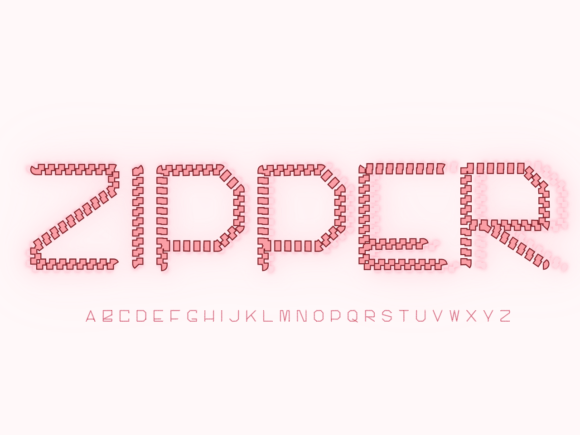
At its core, Zipper is a creative font defined by its strong, condensed letterforms and a distinct, slightly rough-hewn texture. Imagine a classic, sturdy sans serif that's been given a dose of raw, handmade energy. The strokes are bold and assertive, but the edges aren't perfectly smooth; they carry a subtle, organic quality that prevents the font from feeling cold or overly digital. This texture is its secret weapon, adding depth and a sense of craftsmanship that flat, sterile fonts often lack.
The overall style leans into a modern, industrial aesthetic with a touch of vintage character. It doesn't belong to a single era, which makes it incredibly versatile. It can feel retro and nostalgic for a craft brewery label, or sharp and contemporary for a tech startup's headline. The personality of Zipper is one of confidence and approachability. It's not trying to be elegant in a traditional script font way, nor is it as neutral as a standard sans serif font. It occupies a compelling middle ground, making it perfect for projects that need to stand out without sacrificing clarity.
Where Zipper Truly Shines
Understanding a font's strengths is key to using it effectively. Zipper excels as a headline hero, grabbing attention in contexts where first impressions are everything. Think of the bold title on a magazine cover, the main text on an event poster, or the prominent headline on a website's hero section. Its condensed nature allows it to pack a punch without taking up excessive horizontal space, a practical advantage in editorial design and web design where real estate is limited.
For branding and logo design, Zipper offers a fantastic foundation. A logo built with this typeface immediately communicates a brand that is authentic, strong, and maybe a little unconventional. It's an excellent choice for businesses in the creative industry, outdoor apparel, artisanal food products, or any service that wants to project hands-on expertise. The texture in the letterforms adds a layer of personality that helps in building a memorable brand identity.
Beyond logos, its applications are broad. Packaging design benefits immensely from its textured, tactile feel, making products on a shelf feel more premium and considered. In social media graphics, where the scroll is relentless, a bold heading in Zipper can stop a user in their tracks. It's also surprisingly effective for short, impactful quotes in blog graphics or for chapter titles in self-published books, adding a professional polish that elevates the entire project.
Making Zipper Work for Your Project
Choosing the right font is a practical decision. Before committing to Zipper for a large project, test it thoroughly. Set your key headlines and see how it feels. Does the texture overwhelm the message at small sizes? For body text, it's generally best to pair Zipper with a more neutral, highly readable typeface. A clean sans serif font like Helvetica or a simple serif font like Garamond can provide the perfect counterbalance, ensuring your paragraphs are easy to read while your headlines still pack a visual punch. This principle of font pairing is fundamental to good typography.
Always review the included styles and character set. A robust commercial font like Zipper often comes with multiple weights, alternates, or even a set of complementary glyphs. These extras can add tremendous value and versatility to your design assets. Also, pay close attention to the licensing. If you're using it for a client's commercial project, a product you're selling, or a widely distributed publication, ensure you have the appropriate commercial license. This isn't just about legality; it's about respecting the craft of the type designer and ensuring your project's professionalism.
Consider the context of your audience. For a project aimed at a younger, more trend-aware crowd, the edgy texture of Zipper might be a major draw. For a more conservative corporate audience, it could be used sparingly for a single, powerful headline to add a touch of modernity without alienating readers. The key is alignment. The font should feel like a natural extension of the message and the audience you're trying to reach. When used thoughtfully, Zipper isn't just a decorative element; it becomes a strategic tool that enhances readability, establishes visual hierarchy, and strengthens your overall design. It's a typeface that rewards careful consideration, helping to bring each of your creative ideas to its highest level.