Athena: A Stylish Display Font for Nordic-Inspired Design
There's a certain magic in typography that feels both crafted and intentional. It's the difference between simply placing words on a page and creating a visual experience. This is the space where Athena thrives. It’s not just another premium font; it’s a display font with a distinct personality, built for moments that demand attention and convey a specific, curated mood. If your project calls for that clean, modern, yet deeply personal aesthetic often associated with Scandinavian design, Athena is a tool worth exploring.
The Character of Athena: More Than Just Letters
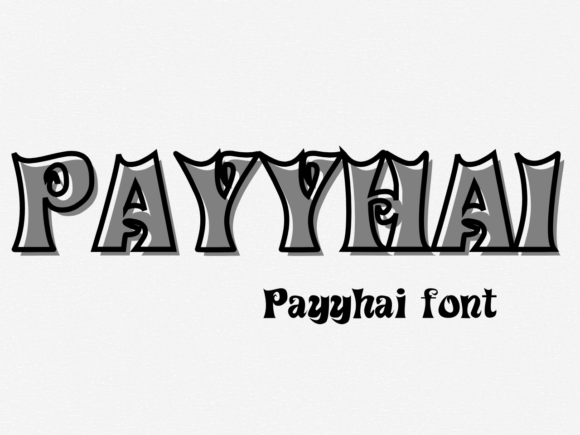
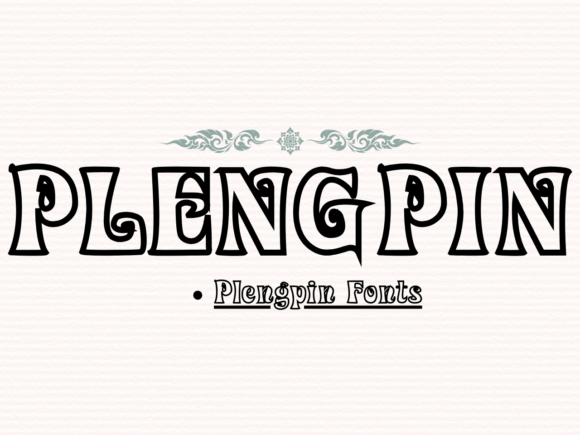
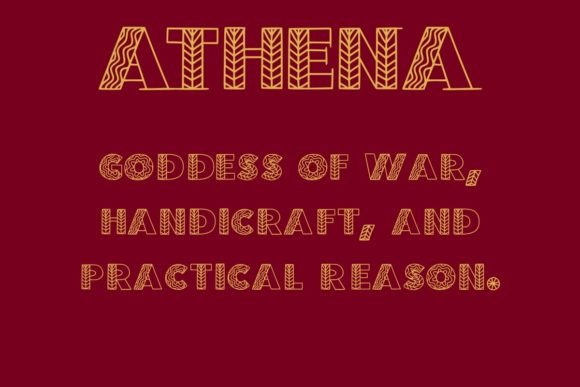
At its core, Athena is a stylish heavy display font. Its weight gives it immediate presence and impact, making it ideal for headlines, logos, and any application where you need text to command the space. The defining feature, however, is its patterning. Each letterform incorporates subtle, integrated detailing that mimics the texture and imperfection of hand-lettering. This isn't a script font or a handwritten font in the traditional, flowing sense. Instead, it’s a structured, bold typeface with a crafted, artisanal quality. The result is a font that feels organic yet controlled, personal yet professional. It successfully bridges the gap between the precision of modern typography and the warmth of human touch.
The "Nordic" or "Scandi" feel comes from this balance. Think of minimalist interiors, natural materials, and functional beauty. Athena translates that philosophy into lettering. Its lines are confident but not aggressive, detailed but not cluttered. This makes it incredibly versatile for projects that aim for a look that is both contemporary and timeless, avoiding fleeting trends in favor of enduring style.
Where Athena Truly Shines: Practical Applications
Understanding a font's personality is one thing; knowing where to apply it is where strategy meets design. Athena’s strength lies in its ability to set a tone quickly. Here’s how you can leverage it across different projects:
- Branding and Logo Design: For brands targeting an audience that appreciates craftsmanship, quality, and design-forward thinking, Athena can be a cornerstone of the brand identity. It works beautifully for boutique shops, artisanal food brands, lifestyle blogs, or design studios. Pair it with a clean sans serif font for body text to create a balanced and readable font pairing.
- Editorial and Publishing Design: In editorial design, use Athena for chapter titles, pull quotes, or feature headers in magazines or books focused on design, travel, or modern living. Its impact ensures key text grabs the reader's eye, while its style reinforces the publication's aesthetic.
- Packaging and Product Design: Imagine Athena on a box for artisan chocolate, a candle label, or the sleeve of a vinyl record. Its textured, hand-lettered feel suggests care and quality, directly influencing consumer perception before they even use the product. This is where a creative font becomes a silent salesperson.
- Digital and Web Design: While primarily a display typeface, Athena can be used strategically in web design for hero section headings or key call-to-action text. Its high contrast and unique patterning ensure it remains legible at large sizes on screen, adding personality to a digital storefront or portfolio site.
- Seasonal and Event Design: The prompt highlights a perfect use case: Christmas and wedding stationery. Athena is exceptional for holiday cards, invitations, and social media announcements. The suggestion to use white on a red background with blue accents creates a classic, festive palette with a Nordic twist. Furthermore, the idea to color in the transparent part of each letter in a different color opens up endless possibilities for custom, layered designs that feel truly bespoke.
- Social Media Graphics and Marketing: For content creators and marketers, a distinctive display font is crucial for building recognition in crowded feeds. Use Athena for quote graphics, webinar titles, or promotional banners. Its style helps posts stand out and reinforces brand consistency across platforms.
Making Athena Work for You: A Designer's Guide
Choosing the right font is a critical decision. Here’s a practical checklist for evaluating and implementing Athena in your workflow:
- Evaluate the Project Fit: Does your project's core message align with Athena's personality? It conveys craftsmanship, modern elegance, and a curated aesthetic. If you're designing for a corporate law firm or a children's toy company, it might not be the right fit. For a craft brewery, a design agency, or a wedding planner, it could be perfect.
- Test for Readability and Hierarchy: As a display font, Athena is designed for short bursts of text—headlines, logos, subheadings. Never use it for long paragraphs of body copy; its detailed patterning would become visually fatiguing. Use it to create a strong visual hierarchy, pairing it with a highly readable serif font or sans serif font for supporting text.
- Explore Font Pairings: The most effective designs use contrast. Pair Athena with a simple, geometric sans serif for a clean, contemporary look. Alternatively, pairing it with a classic, elegant serif can create a sophisticated, editorial feel. Test combinations to see what best serves your content.
- Review Included Styles and Glyphs: Check what the font package includes. Does it come with multiple weights, or just the one bold style? Does it include alternate characters, ligatures, or multilingual support? These features can significantly expand your creative options and are hallmarks of a well-crafted commercial font.
- Understand the Licensing: If you're using Athena for client work, merchandise, or a commercial product, ensure you have the correct license. Most premium fonts offer different licenses for personal, desktop, web, and app use. Clarify this upfront to avoid legal issues down the line.
In the end, a typeface like Athena is more than just a collection of design assets. It’s a voice. It’s a strategic choice that communicates value, style, and intention before a single word is read. By understanding its character and applying it thoughtfully, you can elevate your projects from merely functional to memorably designed.