Maker: The Font That Feels Like a Creative Workshop
You know that feeling when you walk into a well-loved workshop? The scent of sawdust, the organized clutter of tools, the palpable sense of something being made with care and enthusiasm. That’s the energy the Maker font captures. It’s more than just a display font; it’s a visual handshake, a friendly nod from one creator to another. In a world of sleek, impersonal sans serif font choices and rigid serif font structures, Maker offers a breath of fresh air—a typeface that feels human, approachable, and inherently creative.
Understanding the Maker Personality
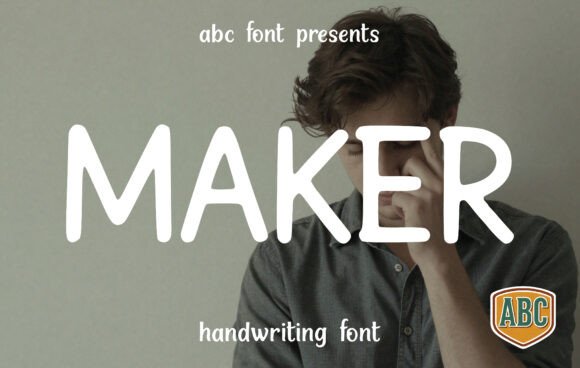
At its core, the Maker font is defined by its rounded terminals and a subtle, hand-drawn influence. This isn't a chaotic script font or a messy handwritten font. Instead, it strikes a brilliant balance. The strokes are thick and consistent, which gives it a solid, dependable foundation for readability. Yet, the slight irregularities and soft edges inject it with warmth and personality. It communicates a message of authenticity and craftsmanship before a single word is read. This creative font doesn’t shout; it invites you in for a conversation.
Where Maker Truly Shines: Real-World Applications
The true test of any premium font isn’t how it looks in a specimen sheet, but how it performs in the wild. Maker excels in environments where fostering a sense of connection and hands-on spirit is key. Think beyond generic headings. This is a typeface with specific, powerful applications.
- Branding for Makers & Artisans: For a small pottery studio, a local woodworking shop, or a handmade candle brand, Maker is a natural fit for their logo design and brand identity. It instantly conveys the “handmade” ethos without sacrificing professionalism.
- Packaging Design: Imagine this font on a bag of artisanal coffee, a jar of homemade jam, or a box for DIY craft kits. It transforms packaging design from mere containment into part of the story, promising a product made with care.
- Editorial & Blog Design: For hobbyist blogs, DIY tutorial sites, or food magazines, Maker works beautifully for pull quotes, section headers, and feature titles. It adds a layer of personality to editorial design that a standard sans serif font can’t match.
- Event & Community Graphics: Community event posters, farmers' market signage, or workshop flyers benefit immensely. The font’s friendly vibe helps build anticipation and a welcoming atmosphere for attendees.
Making It Work: Practical Guidance for Your Projects
Choosing the right font is a strategic decision. Here’s how to evaluate and implement Maker effectively in your work, ensuring it enhances rather than overwhelms your message.
Evaluating Project Fit & Readability
First, consider your project’s tone. Is it meant to feel institutional, formal, or ultra-minimalist? Maker might not be the best choice for a law firm’s annual report. But for a community newsletter, a small business owner’s website, or social media graphics promoting a weekend craft fair, it’s perfect. Its thick, consistent strokes are a major strength for readability, especially at larger sizes used in headlines and subheadings. Always test it at the intended size and in context. Does it maintain its clarity on a mobile screen? Does it feel inviting on a textured paper background?
Mastering Font Pairing for Visual Hierarchy
A creative font like Maker is a star player, but it needs a supporting cast. This is where smart font pairing comes in. To create a balanced and professional visual hierarchy, pair it with a cleaner, more neutral companion.
- With a Sans Serif: A clean, geometric sans serif font for body text provides excellent contrast. The sans serif handles the long-form reading, while Maker delivers the charismatic headlines. This is a reliable, modern combination.
- With a Serif: For a more nuanced, editorial feel, pairing Maker with a classic, readable serif font can work. The serif adds a touch of tradition and gravitas, grounding Maker’s playful energy.
Avoid pairing it with another highly stylized script font or handwritten font—that often leads to visual clutter and muddles your message.
Leveraging Color and Texture
To maximize Maker’s charm, think about its environment. As noted in its description, it pairs wonderfully with bright, vibrant color palettes. A bold coral, a deep teal, or a sunny yellow can amplify its energetic personality. Furthermore, applying it to a textured paper background in your print projects—like a subtle linen or recycled kraft paper—beautifully emphasizes its tactile, handmade quality. This combination is gold for craft packaging and boutique marketing materials.
Checking the Technicals: Styles and Licensing
Before you commit, check what’s included. Does the font family come with multiple weights (like Regular, Bold, Maybe a Condensed)? More styles offer greater flexibility for building a robust brand identity system. Crucially, for any commercial use—from a client’s logo design to products for sale—ensure you have the correct commercial font license. Using a font without the proper license is a common pitfall that can lead to legal headaches down the line.
The Final Word: Why Maker Resonates
In the end, the Maker font succeeds because it taps into a universal desire for authenticity. It’s a design asset that doesn’t just look good; it feels right. It helps content creators, entrepreneurs, and marketers build a brand identity that is both professional yet personable. It turns a simple blog post into an invitation, a product package into a story, and a social media graphic into a conversation starter. By choosing Maker, you’re not just selecting a typeface—you’re aligning your project with the spirit of creation itself. It’s a tool that helps you deliver your message not just with clarity, but with genuine warmth and enthusiasm.