Malformed: The Modern Sans Serif for Distinctive Brands
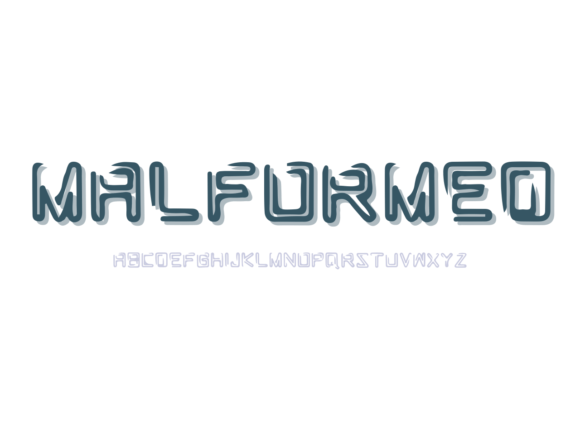
There’s a particular kind of typeface that doesn’t just sit quietly in the background—it steps forward, introduces itself, and stays in your mind. Malformed is that font. It’s a meticulously crafted sans serif that balances contemporary edge with surprising versatility. In a landscape crowded with geometric and neo-grotesque options, Malformed offers a personality that feels both familiar and refreshingly unexpected. Its letterforms carry subtle quirks—slightly angled terminals, a touch of humanist warmth, and a rhythm that feels intentionally designed rather than mechanically generated. This isn’t a font that shouts; it speaks with clarity and confidence.
What sets Malformed apart is its ability to feel both modern and timeless. It avoids the sterile, overly digital look of some technical sans serifs, while steering clear of the faddishness that can date trend-driven typefaces. The weight distribution across its characters is thoughtful, providing excellent readability at smaller sizes while maintaining a striking presence when set large. It’s the kind of premium font that designers reach for when a project needs to feel current, professional, and just a little bit distinctive without sacrificing functionality.
A Typeface That Adapts to Your Creative Vision
Imagine you’re building a brand identity for a boutique coffee roaster. You need something that feels artisanal but clean, approachable but sophisticated. Malformed steps in perfectly. Its subtle irregularities prevent it from feeling corporate or cold, while its clear structure ensures every word is legible on packaging, menus, and social media posts. Now picture the same font applied to a tech startup’s pitch deck. Here, its modern proportions and confident weight convey innovation and clarity, helping complex ideas feel accessible. That’s the core strength of this creative font—it molds itself to the context without losing its inherent character.
This adaptability makes Malformed an invaluable design asset across numerous applications. For editorial design, it brings a fresh voice to headlines and subheadings in magazines or digital publications, offering an alternative to overused choices like Helvetica or Futura. In packaging design, its personality helps products stand out on crowded shelves, especially when paired with a complementary serif font or a delicate script font for contrast. For web design, its optimized metrics ensure smooth performance and comfortable reading on screens of all sizes, from mobile devices to large monitors.
Building Recognition with Strategic Typography
Choosing a font is a strategic decision, not just an aesthetic one. The typeface you select for your logo design, website, or marketing materials becomes a core component of your brand identity. It silently communicates your brand’s values—is it innovative, reliable, playful, or luxurious? Malformed’s personality leans toward the innovative and approachable. It suggests a brand that is thoughtful, detail-oriented, and contemporary. Using it consistently across your social media graphics, presentations, and print collateral builds a cohesive visual language that enhances brand recognition and professionalism.
When evaluating a commercial font like Malformed for a project, look beyond the first impression. Test it in context. Set a paragraph of body copy with it. Does it remain readable? Check its performance in all caps for headlines. Does it maintain balance? Examine the included weights and styles. A robust family often includes light, regular, medium, bold, and sometimes black weights, along with italics. This range is crucial for creating visual hierarchy—using a heavier weight for headlines and a lighter one for body text guides the reader’s eye naturally through your content.
One of the most practical steps in any design project is font pairing. Malformed, as a sans serif font, pairs beautifully with many other typeface categories. For a classic, authoritative look, try combining it with a sturdy serif font like Garamond or Freight Text. For a more dynamic, contemporary feel, contrast its clean lines with a textured handwritten font or a fluid script font. The key is to create contrast in style but harmony in mood. Avoid pairing two fonts with very similar structures or personalities, as they can compete rather than complement.
Practical Considerations for Your Next Project
Before integrating any new typeface into your workflow, a few practical checks are essential. First, review the licensing. Ensure the commercial font license covers your intended use—whether for a client’s logo, a print-on-demand product, or a mobile app. Most reputable font licenses are clear, but it’s always wise to verify. Second, conduct real-world readability tests. Print a sample, view it on different devices, and ask for feedback. How does Malformed perform in long-form text? Is the x-height generous enough for comfortable reading at 12 points? These small details significantly impact audience engagement.
Finally, consider the broader typographic system. If you choose Malformed as your primary display or headline font, what will you use for extensive body text? Sometimes the same family works perfectly. Other times, pairing it with a more neutral sans serif or a highly readable serif for long-form content creates a better user experience. The goal is a harmonious system where each font has a clear role, contributing to consistency and clarity across every touchpoint, from a website’s navigation to the fine print on a contract.
In the end, the right typeface feels inevitable for the project it serves. Malformed offers that rare combination of distinctive character and functional reliability. It’s a tool designed for creators who care about the details—the slight curve of a “g,” the spacing between letters, the overall texture of a typeset page. It doesn’t try to be everything to everyone. Instead, it excels as a modern typography solution for brands and projects that value personality as much as performance. Whether you’re crafting a new brand identity, designing a publication, or developing a website, it provides a solid, stylish foundation to build upon. Its strength lies in its ability to elevate your work subtly, ensuring your message is not just seen, but remembered.