Martin: The Modern Handwritten Script Font
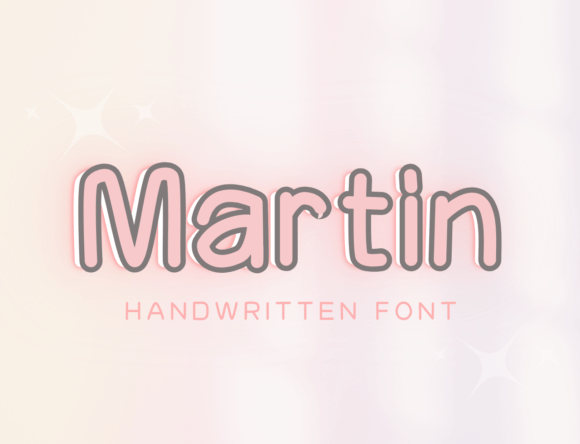
When a design project calls for that unmistakable human touch, a standard serif or sans serif font just won't do. You need something with warmth, personality, and an organic flow that feels genuinely personal. This is precisely where Martin, a modern handwritten script font, enters the picture. It’s not about mimicking old-fashioned calligraphy; it’s about capturing the authentic, slightly imperfect elegance of a contemporary hand-lettered style. The strokes have a natural variation, the connections between letters feel effortless, and the overall vibe is both stylish and approachable. For anyone looking to inject a sense of custom craftsmanship into their work, Martin offers a versatile and visually compelling solution.
Where Martin Truly Shines: Practical Applications
The beauty of a font like Martin lies in its adaptability across a surprising range of projects. It’s a premium font that earns its place in a designer's toolkit by solving specific visual problems with grace.
For wedding invitations, thank you cards, and event stationery, Martin is a natural fit. Its flowing, yet legible, script conveys the romance and personal importance of the occasion without sacrificing readability. Similarly, for greeting cards and quote graphics, it adds an emotional resonance that feels handwritten for the recipient.
In the realm of brand identity, Martin can be a strategic choice. It works exceptionally well for businesses aiming for a handmade, artisanal, or boutique aesthetic. Think of a local bakery's logo, a boutique clothing tag, or the branding for a creative studio. It communicates care, individuality, and a personalized service. This makes it a valuable creative font for logo design, especially when paired with a clean sans serif font for body text to ensure balance and readability.
Beyond branding, its applications extend into packaging design, where it can highlight product names or special ingredients, and into editorial design for pull quotes or chapter headings in magazines and books. In the digital space, Martin adds personality to social media graphics, website headers, and email newsletter templates, helping content stand out in a crowded feed.
Making Martin Work: Design Considerations and Best Practices
While Martin is a highly versatile script font, using it effectively requires some thoughtful consideration. Its primary strength is in display settings—headlines, logos, and short bursts of text where its character can be fully appreciated. For long paragraphs of body copy, it would quickly become fatiguing to read. The key is to use it for impact and personality, not for bulk communication.
When integrating Martin into a project, consider the font pairing. Its handwritten style creates a beautiful contrast with geometric or humanist sans serif fonts (like Montserrat, Lato, or Open Sans). This pairing creates a clear visual hierarchy, with Martin commanding attention for key phrases and the supporting font handling the informational load. It can also pair interestingly with a simple, sturdy serif font for a more classic, yet still personal, feel.
Always test the font in context. How does it look at the intended size? Does the letter spacing (tracking) need adjustment for the specific word or phrase? Check the included styles—many premium fonts like Martin come with alternates, swashes, or ligatures. These extra glyphs are not just decorative; they can help solve spacing issues between specific letter combinations (like "th" or "be") and add a more authentic, custom-lettered look to your design assets.
Finally, a crucial step is to verify the licensing. For any commercial project—from a client's logo to merchandise, a published book, or a website—you must ensure the font's license covers your intended use. Reputable foundries and marketplaces provide clear licensing information, often offering options for desktop, web, and app use. This due diligence protects both you and your client and is a mark of professionalism in any modern typography workflow.
A Final Thought on Authenticity
In a digital world saturated with perfect, machine-generated visuals, fonts like Martin serve an important purpose. They reintroduce a human element, a sense of imperfection that feels genuine and relatable. It’s a tool for designers, entrepreneurs, and creators who understand that sometimes, the most powerful connection is made not with flawless precision, but with a touch of authentic, handwritten style. Used thoughtfully, Martin doesn't just display words; it helps tell a story with character and warmth.