Flute: A Display Typeface That Dances With Rhythm and Soul
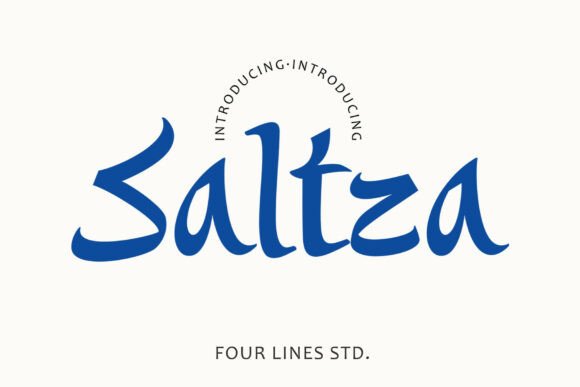
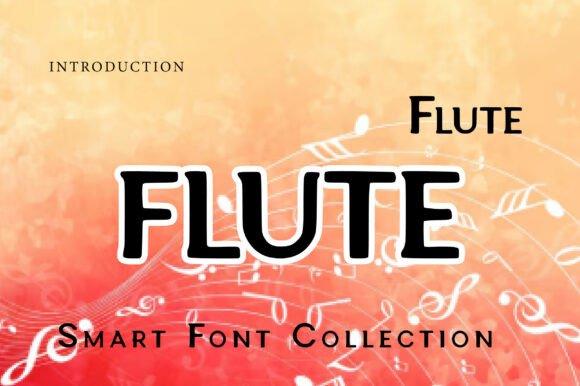
There are typefaces that simply sit on a page, and then there are those that seem to move. Flute belongs firmly in the second category. This isn't a quiet, background font; it's a premium font with a bold, artistic presence that feels inspired by the very movement of music. Its letterforms possess a unique, rhythmic quality, as if each character is a note in a visual melody, dancing across the page with a soulful energy. For designers and creators seeking a creative font with genuine personality, Flute offers a refreshing departure from static typography.
At its core, Flute is a display typeface designed to be the focal point. Its characters are crafted with slightly whimsical terminals and a flowing rhythm that avoids rigid uniformity. This gives it a distinct handmade charm without veering into the territory of a casual script font or handwritten font. The bold weight ensures it commands attention, making it a standout choice for headlines, logos, and any application where you need your message to be seen and felt. It’s a font that doesn’t just convey words—it conveys an emotion, a vibe, an artistic statement.
Where Flute Truly Finds Its Voice
Understanding a font's personality is one thing; knowing where to apply it is where the real design work begins. Flute's melodic and bold character makes it exceptionally versatile across a range of projects where energy and artistry are key.
Branding and Logo Design
For businesses and products that want to project creativity, friendliness, and a touch of artistic flair, Flute is a powerful asset. It’s perfect for logo design in the creative arts, music education, boutique children's brands, or artisanal food products. Its distinctive shape helps in crafting a memorable brand identity that feels both professional and approachable. When used for a logo, it instantly communicates that the brand values creativity and personality.
Editorial and Print Collateral
Think beyond the standard corporate report. Flute shines in editorial design for magazines, book covers (especially in fiction or children's literature), and music festival programs. Its rhythmic forms can transform the title of a poster or the header of a flyer into a piece of art. For packaging design, particularly for products in the music, craft, or lifestyle sectors, Flute can make a label or box leap off the shelf.
Digital Presence and Social Media
In the fast-paced world of web design and social media graphics, grabbing attention is paramount. Flute excels as a headline font for websites in creative fields, blog headers, and YouTube thumbnails. Its bold presence ensures legibility even at smaller sizes on screens, while its unique style helps content stand out in a crowded feed. It pairs well with vibrant color palettes and abstract shapes, creating a "visual symphony" that stops the scroll.
Practical Guidance for Using Flute Effectively
While Flute is a fantastic design asset, its effectiveness depends on thoughtful application. Here’s how to integrate it into your workflow with confidence.
Evaluating Project Fit and Readability
First, consider your project's tone. Is it playful, artistic, energetic, or sophisticated? Flute leans towards the first three. For a formal legal document or a minimalist tech startup, a clean sans serif font or a classic serif font might be more appropriate. However, for projects aimed at engaging a younger audience, promoting a creative service, or adding a burst of energy, Flute is an excellent candidate. Always test its readability in context. Use it for short, impactful headlines, logos, and subheadings. For body text, pair it with a highly legible sans-serif or serif font to maintain a clear visual hierarchy.
Mastering Font Pairings
A great font pairing is about contrast and harmony. Flute's strong personality means it works best alongside more neutral companions. Consider pairing it with:
- A clean, geometric sans serif font for body copy to provide a calm, readable counterpoint.
- A simple, elegant serif font for a more traditional yet dynamic layout.
- A minimal modern typography style for captions or supporting text to let Flute's headlines truly sing.
Avoid pairing it with other highly decorative or script fonts, as this can create visual clutter and dilute the impact of both.
Licensing and Final Considerations
As with any commercial font, reviewing the licensing agreement is crucial. Ensure the license covers your intended use—whether for a single client project, unlimited commercial work, or embedding in a digital product. A quality premium font like Flute will come with clear terms. Before finalizing, test the font across different mediums: print it out, view it on various screens, and check how it scales. This hands-on review will confirm its suitability and help you leverage its full potential to bring bold simplicity and artistic rhythm to your next project.