Pinky Honey: A Font Duo for Sweet and Playful Branding
More Than Just Letters: The Personality of Pinky Honey
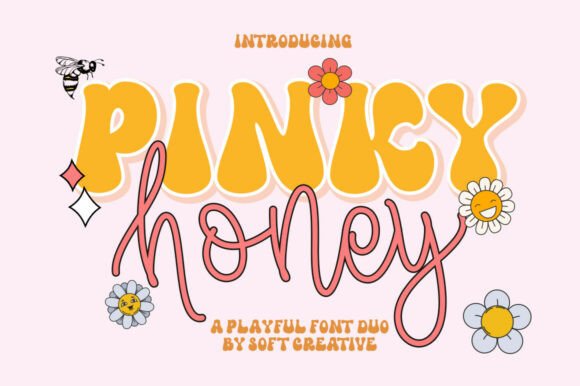
When you're building a brand or creating a piece of marketing, the typeface you choose does more than just display words. It sets a mood, tells a story, and creates an immediate emotional connection with your audience. This is where a well-designed premium font like Pinky Honey truly shines. It’s not just a collection of glyphs; it’s a complete voice for your project. At its core, Pinky Honey is a thoughtful font pairing that brings together two distinct yet harmonious personalities. One half is a bold, rounded sans serif font with a friendly, almost bubble-like presence. It’s strong and clear, perfect for grabbing attention. The other half is a flowing, elegant script font that feels both personal and artistic, as if written with a confident, graceful hand. This combination is directly inspired by a cheerful retro aesthetic, but it avoids feeling dated. Instead, it feels warm, approachable, and full of character, making it a versatile design asset for anyone looking to inject some positivity into their work.
Where Playful Meets Professional
The real strength of a creative font like this lies in its practical application. Think about the projects where you need to feel both trustworthy and delightful. For a children's boutique, the bold sans serif can announce a sale on the shop window, while the script can elegantly sign the thank-you notes tucked into orders. A food blogger could use the script for their logo and the sans serif for recipe titles, creating a cohesive and inviting brand identity that feels homemade yet polished. In packaging design, this duality is invaluable. The bold font can list the product features clearly, while the script adds a touch of artisanal charm on the label. It’s this balance that allows Pinky Honey to move seamlessly from a playful social media graphic promoting a weekend sale to a more refined piece of editorial design for a lifestyle magazine’s headline.
Practical Applications: From Screen to Print
Understanding a font's personality is one thing; knowing exactly how to deploy it is another. Let’s break down where this display font duo performs best. In the digital realm, its high readability at various sizes makes it excellent for web design. Use the bold sans for impactful homepage headers and the script for elegant pull quotes or section dividers. On social media, it’s a powerhouse. The bold font creates scroll-stopping headlines for Instagram posts or Pinterest pins, while the script can add a personal, handwritten touch to Instagram Stories or promotional graphics. Its inherent cheerfulness is perfect for content that aims to engage and uplift.
For print, the applications are just as broad. In logo design, you can craft a memorable mark by combining the two styles, perhaps using the script for a brand name and the sans for a tagline. This creates a logo with built-in hierarchy and visual interest. For creative packaging, imagine a honey jar label—using the bold font for the product name "Wildflower Honey" and the script for the phrase "Pure & Natural" beneath it. The font’s style naturally evokes the sweet, golden product inside. It’s equally suited for wedding invitations, greeting cards, children’s book titles, and expressive posters where a sense of joy and creativity is the primary goal.
Choosing and Using Pinky Honey Effectively
Before you integrate any new typeface into your toolkit, a bit of due diligence ensures it’s the right fit. First, consider your project’s core message. Does it align with the warm, friendly, and imaginative vibe of Pinky Honey? It’s ideal for brands and projects that want to appear approachable, creative, and optimistic. It might be less suitable for ultra-serious corporate or luxury minimalist contexts where a stark, neutral serif font or sans serif would be more appropriate.
Once you’ve decided it’s a good fit, explore the full package. A quality font duo like this often comes with more than just the two main styles. Check for alternate characters, ligatures, or stylistic sets within the script font—these can add unique flair to logos and headlines. Test the font pairings extensively. While they’re designed to work together, see how they interact with any other typefaces you might use for body copy. A simple, clean sans serif or a traditional serif font can often complement the duo well for longer paragraphs, ensuring overall readability.
Always prioritize legibility, especially for smaller text sizes or digital screens. The bold sans serif is generally very clear, but test the script font at the size you intend to use it. Finally, verify the commercial font license. Ensure it covers all your intended uses, whether for a client’s brand identity project, merchandise for sale, or digital products. Using fonts correctly and legally is a mark of professionalism that protects both you and your clients.
Crafting Memorable Designs with Character
Ultimately, a font like Pinky Honey is a tool for storytelling. It helps you build a brand identity that feels genuine and engaging. In a crowded marketplace, the right modern typography can be the difference between blending in and standing out. By pairing a strong, friendly sans serif with an elegant, personal script, you gain a flexible system that can adapt to various touchpoints while maintaining a consistent and recognizable voice. It influences how your audience perceives your brand—making it feel more human, more creative, and more memorable. Whether you’re a small business owner designing your first packaging, a marketer creating vibrant campaign materials, or a crafter personalizing a gift, this font duo offers a practical and charming solution to make your words not only seen but felt.