Why Marcita is Your Go-To Handwritten Font for Authentic Design
There's a certain magic that happens when you find a typeface that feels less like a digital tool and more like a trusted collaborator. In a landscape saturated with sleek geometric fonts and rigid serifs, a handwritten font like Marcita offers a refreshing dose of personality. It's not just a script font; it's a voice. This sweet and friendly typeface carries a natural, unique style that can bridge the gap between professionalism and approachability, making it an incredibly versatile asset in any designer's toolkit. Its strength lies in its ability to feel personal without sacrificing clarity, a balance many creative fonts struggle to achieve.
The Visual Heart of Marcita: More Than Just Loopy Letters
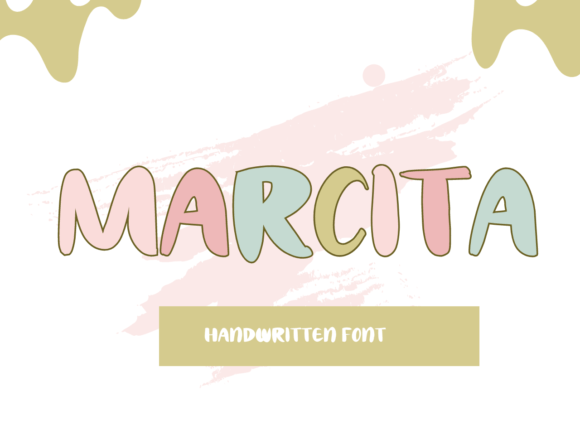
At its core, Marcita is a premium font that embodies the warmth of human touch. Its strokes have a gentle, organic flow, avoiding the overly rigid or cartoonish extremes that can limit a handwritten font's usability. The letterforms are connected with a natural rhythm, creating a sense of movement and authenticity. This isn't a font that screams for attention; instead, it invites the viewer in with a friendly, confident whisper. The visual personality is one of approachable creativity—think of a skilled calligrapher's casual notes, not their formal invitations. This makes it incredibly fitting for projects where you want to inject warmth and relatability.
When considering a creative font like Marcita for a project, the key is to evaluate its personality against your brand's voice. Is your brand a helpful friend? A creative mentor? A boutique shop owner? Marcita excels in these roles. Its style supports a brand identity built on trust and individuality. For instance, a small business owner creating packaging for artisanal goods could use Marcita for product labels to convey handcrafted quality. A blogger might use it for headers to establish a conversational, journal-like tone. The font's appeal is in its subtlety—it enhances the message without overwhelming it.
Putting Marcita to Work: From Brand Identity to Social Media Graphics
The real test of any design asset is its application. Marcita's versatility shines across a wide spectrum of projects. In logo design, it can serve as a distinctive wordmark for brands in the lifestyle, wellness, food, or creative services sectors. Paired with a clean sans serif font for body text, it creates a visual hierarchy that is both engaging and easy to read. This font pairing strategy is fundamental to modern typography, allowing the personality of the display font to set the tone while the secondary font ensures legibility.
Beyond logos, consider its use in editorial design. A magazine feature on travel or personal stories could use Marcita for pull quotes or section headers, adding an intimate, personal layer to the layout. For digital applications, it's a powerful choice for social media graphics. Instagram posts, Pinterest pins, and Facebook ads that use Marcita for key messages often feel more genuine and less corporate, which can significantly boost audience engagement. It's equally effective in web design for call-to-action buttons or featured testimonials, where a human touch can improve conversion rates.
For entrepreneurs and marketers, the font is a tool for consistency. Using Marcita across your website, email newsletters, and print materials like business cards or thank-you notes builds a cohesive and recognizable brand identity. The key is to use it strategically. It’s best suited for short-form text—headlines, quotes, logos, and accents. Setting a full paragraph of body copy in a script font, no matter how legible, is generally a poor practice for readability. This is where understanding font pairing becomes crucial. Combining Marcita with a sturdy serif font for body copy in a printed brochure, or a geometric sans serif for web text, creates a professional and balanced composition.
Choosing and Using Marcita: A Practical Guide
Integrating a new typeface into your workflow requires a bit of forethought. First, always test the font in the context of your specific project. Download any available trials or view extensive previews. Does its weight and spacing work at the size you need? For a small business card, a slightly bolder weight might be necessary. For a large-scale poster, the delicate details can be appreciated. Review the included styles and glyphs—does it offer alternate characters, swashes, or multiple weights? These features can provide valuable creative flexibility.
Next, consider the commercial licensing. If you're using Marcita for a client project, a business logo, or any commercial product, ensure you have the correct license. A reputable premium font will have clear licensing terms that cover these uses. This isn't just a legal formality; it's an ethical practice that supports the type designers who create these invaluable tools.
Finally, think about your audience. A font that feels perfect for a young, creative demographic might not resonate with a more conservative professional audience. Marcita's friendly nature makes it broadly appealing, but context is everything. A financial consultant might use it sparingly for a personal blog but opt for a more traditional serif font for official reports. The goal is to use typography to reinforce your message and connect with your readers, not to distract or confuse them. When used thoughtfully, a handwritten font like Marcita does more than just display words—it helps tell your story, builds recognition, and fosters a genuine connection with the people you're trying to reach.