Baton: The Handwritten Font for Modern Design
There’s a reason certain premium fonts feel less like a tool and more like a collaborator. They carry a specific energy—one that can elevate a project from simply looking good to feeling genuinely connected. If you’ve been searching for a typeface that offers warmth without sacrificing clarity, and personality without overwhelming your message, it’s time to get acquainted with Baton. This isn’t just another handwritten font; it’s a versatile design asset built for real-world application.
The Anatomy of Approachability
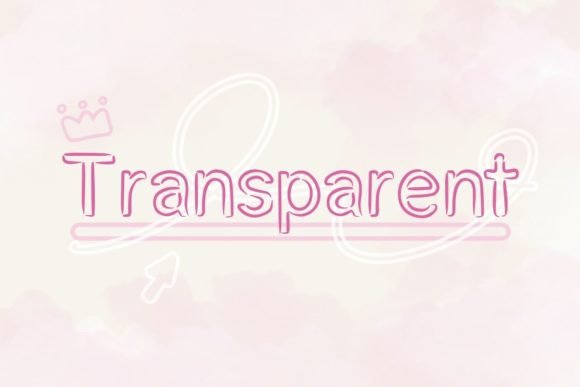
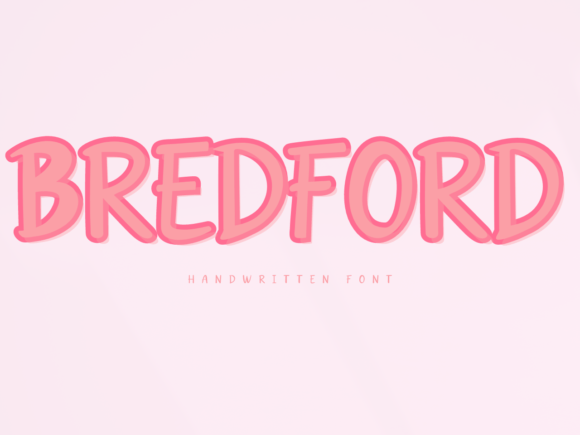
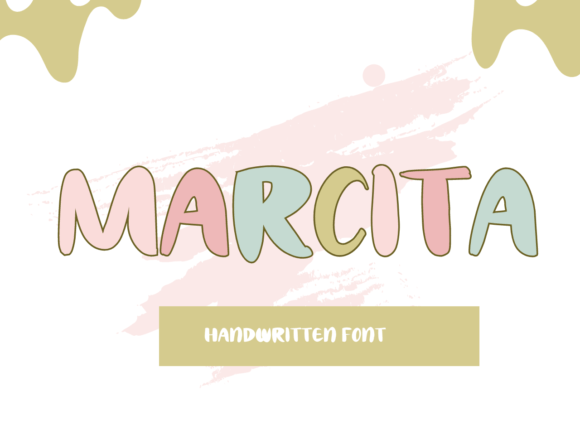
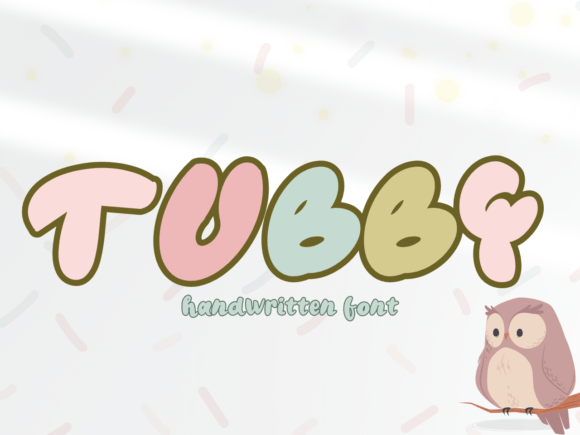
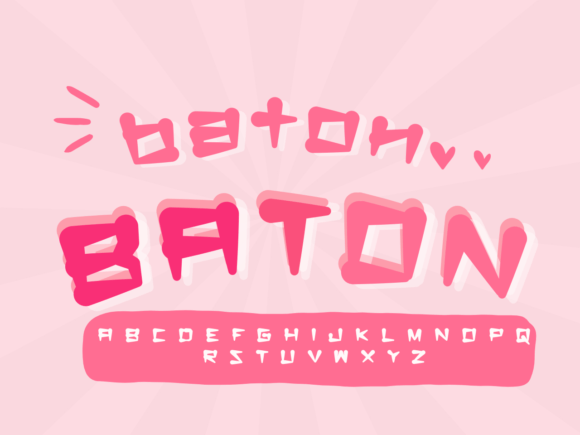
At first glance, Baton captures the essence of authentic penmanship. It avoids the scratchy, illegible chaos often found in lesser script options. Instead, it offers a smooth, rhythmic flow. The letterforms are crafted with a natural bounce and slight imperfection, giving it a friendly and sweet character. This script font feels personal, as if it were written by hand specifically for the viewer, making it an immediate bridge between a brand and its audience.
The visual style strikes a delicate balance. It leans towards a modern typography aesthetic while retaining the organic charm of a marker or brush pen. The stroke contrast is gentle, ensuring that the text remains legible even at smaller sizes. For designers, this means you get the aesthetic of a custom lettering job without the hefty price tag or the headache of kerning every letter pair manually. It is a creative font that respects the rules of readability.
Real-World Applications: Where Baton Shines
Understanding a font’s personality is one thing; knowing exactly where to deploy it is another. Because Baton is so adaptable, it slots into a massive pool of design contexts. Here is where it truly excels:
- Brand Identity and Logo Design: If your client runs a boutique coffee shop, a wellness studio, or a handmade jewelry line, Baton is a strong contender. It communicates authenticity and care. Using it for a primary wordmark creates an immediate emotional connection that rigid sans serif font options often struggle to achieve.
- Packaging Design: On a shelf crowded with sterile, corporate labels, Baton draws the eye. It works beautifully on artisanal products—think jam jars, craft beer labels, or organic cosmetics. It suggests that a human being actually made the product inside.
- Web Design and Digital Media: In the digital space, headers and hero sections need to grab attention instantly. Baton serves as an excellent display font for landing pages, particularly for lifestyle blogs or creative portfolios. It pairs surprisingly well with clean sans serif fonts for body copy, creating a font pairing that is both professional and approachable.
- Social Media and Marketing: Engagement is the currency of social platforms. Text overlays on Instagram posts, Pinterest graphics, and Facebook ads often feel cold. Incorporating Baton into these social media graphics adds a layer of "human" touch. It feels like a recommendation from a friend rather than a broadcast from a corporation.
- Editorial Design and Publishing: For magazines, book covers, or internal quotes within a layout, this display font provides necessary contrast against dense blocks of text. It highlights key phrases and draws readers into the content.
Strategic Impact on Perception
Choosing a font is a strategic decision, not just an aesthetic one. When you choose Baton, you are actively shaping how your audience perceives your brand. A handwritten font like this influences the visual hierarchy of your page. By using it for headers or calls to action, you guide the viewer’s eye to the most important information first.
Furthermore, consistency is key in branding. Using a reliable commercial font like Baton ensures that your visual identity remains cohesive across all platforms—from your website to your printed brochures. It builds recognition. When a customer sees that specific style of writing, they immediately associate it with your business. This level of professionalism elevates your brand perception, signaling that you pay attention to the details.
Practical Guidance for Implementation
Ready to integrate Baton into your next project? Here are a few practical tips to ensure you get the most out of this typeface:
- Evaluate the Fit: Before committing, look at the overall mood of your project. Baton fits a "friendly," "organic," or "creative" brief perfectly. If you are designing for a law firm or a government agency, you might want to stick to a traditional serif font. However, for lifestyle, food, fashion, or creative industries, Baton is ideal.
- Test Your Pairings: Never use a script font in isolation for long-form text. Baton is a display font. Pair it with a neutral sans-serif like Montserrat, Open Sans, or Lato for your paragraphs. This contrast ensures readability while maintaining visual interest.
- Check the Styles: A high-quality font family often includes alternates or ligatures. Explore the character map of Baton. You may find different versions of letters (like 'g' or 'r') that allow you to customize the text further, making it look even more like genuine handwriting.
- Mind the Spacing: Handwritten fonts often require a bit more tracking (letter spacing) than geometric fonts. If Baton looks a little cramped in your headline, try increasing the tracking by 10-20 points to let the letters breathe.
- Licensing for Business: If you are using this for a small business or client work, ensure you have the correct commercial font license. Respecting font licensing is a hallmark of a professional designer and protects your business from legal issues down the road.
Ultimately, Baton is more than just a collection of glyphs. It is a design asset that brings warmth and humanity to the digital and print worlds. Whether you are a blogger looking to spice up your headers or a marketer aiming to increase engagement, this creative font offers a solution that is both beautiful and functional. The only limit is how you choose to use it.