Stylis Alphabet: A Fresh Take on Modern Typography
The Visual Signature of a Unique Typeface
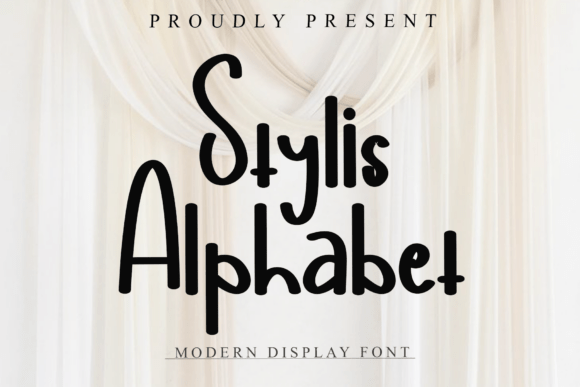
When you first encounter the Stylis Alphabet, your eye immediately catches its defining trait: an elongated, vertical rhythm that sets it apart from standard fonts. This isn't just another display font; it's a carefully crafted typeface with personality. The letterforms are tall and slender, often featuring playful, unexpected curves that give each character a distinct, almost architectural quality. Think of it as the typographic equivalent of a modern sculpture—structured yet whimsical, bold yet refined. The overall vibe is decidedly "indie," appealing strongly to Gen-Z and millennial audiences who value authenticity and unconventional aesthetics in design.
Unlike traditional serif font or sans serif font families that prioritize uniformity, Stylis Alphabet embraces a quirky, modern typography approach. Its proportions break away from the norm, creating a visual texture that feels fresh and engaging. This makes it a powerful tool for projects that need to stand out in a crowded visual landscape. Whether you're designing a book cover, crafting social media graphics, or developing a brand identity, this creative font injects a sense of contemporary cool without sacrificing legibility.
Where This Creative Font Shines: Practical Applications
Understanding where Stylis Alphabet works best is key to leveraging its full potential. Its unique character makes it a standout choice for specific applications where personality and visual impact are paramount.
Editorial and Publishing Design: For book titles, magazine headlines, and chapter openers, Stylis Alphabet offers immediate visual interest. Its tall letterforms create strong vertical lines that guide the reader's eye and establish a clear hierarchy on the page. Pair it with a clean, neutral body copy font—perhaps a classic serif font for traditional publications or a simple sans serif font for contemporary pieces—to let the headlines do the talking without overwhelming the layout.
Branding and Logo Design: This is where Stylis Alphabet truly excels. For brands targeting a trendy, unconventional audience, using this typeface in a logo or key brand marks can instantly communicate innovation and a forward-thinking ethos. It's particularly effective for lifestyle brands, boutique studios, indie music labels, artisanal product packaging, and creative agencies. The font's personality helps build a memorable brand identity that resonates on a deeper level with its intended audience.
Packaging and Poster Art: The architectural and stylistic impact of Stylis Alphabet makes it perfect for packaging design. Imagine it on a craft coffee bag, a specialty wine label, or a minimalist skincare product. The elongated forms command attention on a shelf. Similarly, for poster art—whether for an event, a gallery show, or a promotional campaign—the font creates dynamic compositions. Pair it with bold blocks of color or minimalist photography to maximize its modern typography appeal.
Integrating Stylis Alphabet into Your Design Workflow
Choosing a premium font like Stylis Alphabet is an investment, so evaluating its fit for your project is a practical first step. Consider your target audience. Does the "indie," modern vibe align with their expectations? For a corporate law firm, it might be too casual. For a trendy café or a tech startup, it could be perfect. Always test the font in context. Create mockups for your intended use—be it a website header, a business card, or a social media post—to see how it performs at various sizes and in different color schemes.
Font pairing is another critical consideration. Stylis Alphabet has a strong personality, so it often benefits from being paired with more subdued typefaces. A common and effective approach is to use it for headlines and pair it with a highly readable sans serif font for body text. Avoid pairing it with other highly decorative fonts like a script font or a complex handwritten font, as this can create visual clutter and harm readability. The goal is contrast and balance.
Before purchasing, review the font's full character set and styles. Does it include the punctuation and symbols you need? Are there alternate characters or ligatures that offer more design flexibility? Check the licensing terms for commercial font use. Most premium fonts offer different licenses for desktop use, web use, and application embedding. Ensure the license covers all your intended applications, especially if you're creating assets for client work or commercial products.
Finally, consider readability in your specific application. While Stylis Alphabet is highly legible for short bursts of text like titles and headlines, its elongated forms may reduce readability in long paragraphs. This is common for display fonts. Use it strategically where its visual strengths can be showcased without compromising the user's ability to easily read and comprehend the information. By thoughtfully applying Stylis Alphabet, you add a distinctive and contemporary tool to your design assets, capable of elevating projects across digital, print, personal, and commercial spheres.