Understanding Tubby: A Modern Handwritten Font
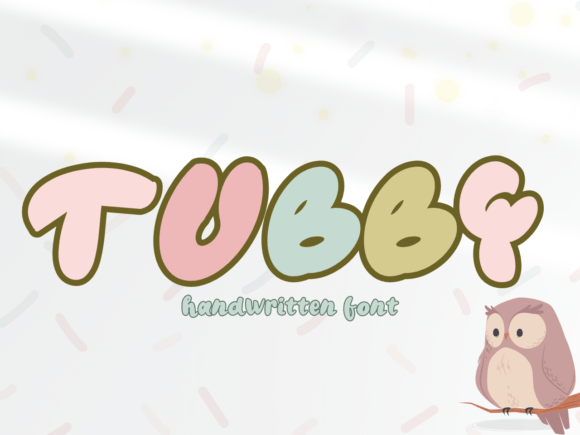
There is a specific kind of energy required when you want a design to feel approachable yet professional. In the crowded space of modern typography, finding a typeface that mimics the intimacy of handwriting without sacrificing legibility is a challenge many designers face. This is where Tubby enters the conversation. It is not just another script font; it is a carefully engineered display font that captures the organic imperfections of a hand-lettered brush stroke. The visual character of Tubby is defined by its soft, rounded edges and a consistent baseline that suggests a human touch, making it an ideal asset for projects that require warmth and personality.
The Visual Personality of Tubby
When analyzing Tubby, the first thing you notice is the "weight" of the letters. Unlike many handwritten font options that feel scratchy or thin, Tubby offers a robust, sturdy presence. The brush application is evident in the stroke variation, but it is controlled enough to maintain a clear silhouette. It sits comfortably between a casual script font and a structured sans serif font. This balance is crucial for brand identity work. If you are designing for a bakery, a boutique, or a lifestyle brand, the typeface needs to convey a message of "crafted" rather than "sloppy." Tubby achieves this by utilizing different brush textures that give the font design a tactile quality, making the letters pop off the page or screen.
The uniqueness of this premium font lies in its versatility. It is designed to work as a creative font for headlines, but it retains enough character to be used in short blocks of text where a serif font might feel too stiff. For logo design, Tubby provides a distinct silhouette that is easy to memorize. It is a typeface that commands attention not by shouting, but by being visually interesting. The strange, artistic characters are balanced by a rhythm that guides the eye forward, ensuring that the novelty of the design does not hinder the reading experience.
Strategic Applications for Creative Professionals
For designers and entrepreneurs, the value of a typeface is measured by its utility. Tubby shines across a variety of mediums, particularly in packaging design and social media graphics. In the realm of editorial design, a font like Tubby can break up the monotony of standard body text. Imagine a magazine feature or a blog post where the pull quotes or subheadings utilize Tubby; it immediately draws the reader's eye and adds a layer of editorial flair.
In the commercial space, wedding cards and invitations are prime candidates for this style. The font design work mimics the look of custom calligraphy but offers the consistency required for print production. When you apply different brushes or weights within the font family, you can create a visual hierarchy that looks expensive and bespoke. For small business owners, this is a game-changer. You can achieve a high-end aesthetic for your brand identity without the cost of hiring a calligrapher for every piece of collateral.
- Greeting Cards: Use Tubby for the main sentiment to create a personal, heartfelt connection.
- Web Design: Utilize it for hero section headlines to inject personality into a sans serif font layout.
- Merchandise: The bold, clean nature of the strokes makes it suitable for T-shirts and tote bags.
Enhancing Visual Hierarchy and Readability
One of the most common pitfalls in using handwritten font styles is readability. Many artistic fonts are illegible at smaller sizes. Tubby, however, was constructed with web design and print legibility in mind. The spacing between letters (kerning) is optimized to prevent characters from crashing into one another, a common issue with script typefaces. This makes it a reliable design asset for marketers who need to ensure their message is understood instantly, whether on a billboard or a mobile screen.
Using Tubby effectively requires an understanding of font pairing. Because Tubby has a strong personality, it pairs best with neutral fonts. A clean sans serif font like Helvetica or Open Sans provides a perfect counterbalance, allowing Tubby to act as the accent piece. Alternatively, pairing it with a classic serif font can create a sophisticated, vintage-modern look suitable for editorial design or high-end product labels. The goal is to let the display font do the heavy lifting for the headline, while the supporting font handles the dense information.
Evaluating Fit and Licensing
Before integrating any commercial font into a project, due diligence is necessary. You must consider the licensing terms. Tubby is a premium font, and like most high-quality design assets, it typically requires a specific license for commercial use. Whether you are a content creator using it for YouTube thumbnails or a publisher using it for book covers, ensuring you have the correct rights protects your business.
When testing the font, look at the specific characters you will use most. Does the "Q" tail interfere with the line below? Do the ampersand and the "g" have the right flair? With Tubby, the artistic characters are designed to be expressive yet functional. It is a creative font that respects the rules of typography while breaking the mold visually. By choosing Tubby, you are not just selecting a set of letters; you are adopting a style that elevates your work, making your letters look different and your message more memorable. It is a strategic choice for anyone looking to add a touch of handcrafted quality to their digital or print presence.